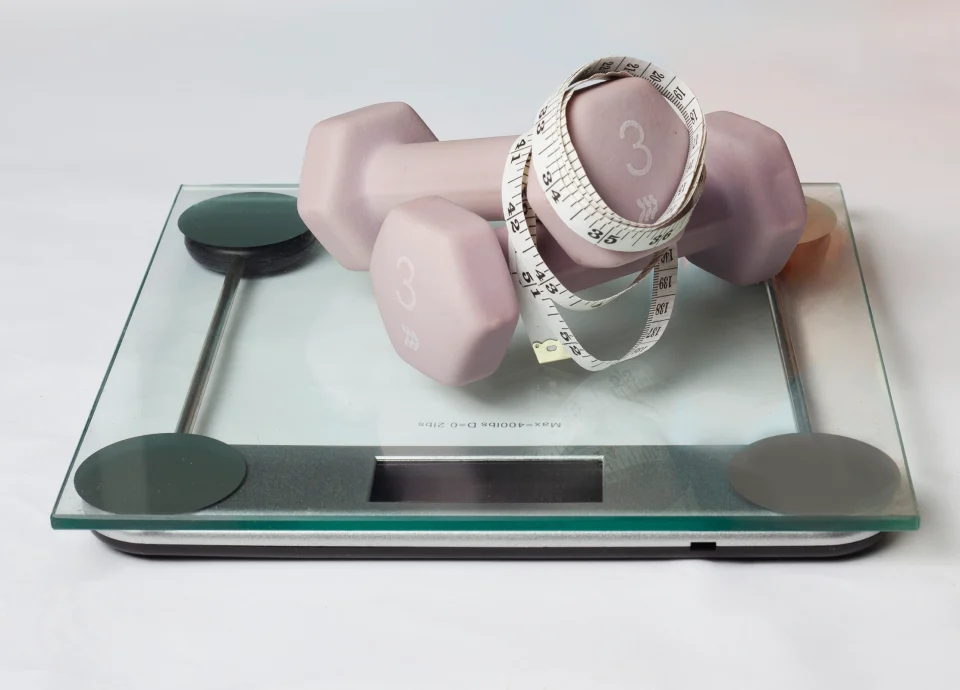
With increasing awareness about health and fitness, people are paying more attention to their bodies than just taking their weight on the weighing machine. A standard scale can only give you your weight, but not give an explanation of what you are made of. Here, a body fat scale UAE users are more and more turning to a great benefit.
Body fat scale measures more than just weight! It’s used to estimate body composition, body fat percentage, muscle mass, water content and other vital health parameters. How does it work, and what of the accuracy is it? Let’s explore.
Table of Contents
- Introduction
- What Is a Body Fat Scale?
- How Does a Body Fat Scale Work?
- How Accurate Is a Body Fat Scale?
- Factors That Affect Accuracy
- Can You Trust the Results?
- How to Get the Most Accurate Readings
- Why Body Fat Tracking Matters
- Conclusion
- FAQs
What Is a Body Fat Scale?
A smart weighing scale with body fat scale, is a smart weighing instrument that estimates the level of body fat in your body, as well as your body weight. Unlike regular scales, it gives a more in-depth look into your body composition.
Many of today’s body fat scanners will measure:
- Body fat percentage
- Muscle mass
- Body water percentage
- Bone mass
- Body Mass Index (BMI)
- Visceral fat levels
The rise in popularity of the Body Fat Scale UAE market is indicative of the growing trend toward having data-driven health tracking, and people do not want merely a number on a scale.
How Does a Body Fat Scale Work?
The majority of body fat scales use a technology called a Bioelectrical Impedance Analysis (BIA).
The small and harmless electrical current flows through the body while you stand on the scale, barefoot. Each type of tissue (fat, muscle and water) has different electrical properties and the scale reads the resistance to the current flow.
Based on this data, the scale will use other information such as age, gender, height and weight to estimate the percentage of body fat and other body composition values.
This complete procedure only takes some seconds and shows immediate results.
How Accurate Is a Body Fat Scale?
There are many different questions that buyers have when purchasing a body fat scale, one of them being whether the scale is accurate in measuring body fat.
The answer is that body fat scales give a weighing estimate, not an actual measurement. They are typically accurate enough for individuals to use for themselves in tracking fitness. However, not as accurate as the methods used by professional body composition assessors like the DEXA scan and hydrostatic weighing.
For most people, however, it isn’t about having an exact body fat percentage but more about tracking how their body fat changes over time.
Factors That Affect Accuracy
Several factors can influence the accuracy of body fat scale readings.
1. Hydration Levels
Because BIA technology relies on electrical signals passing through body water, hydration levels can significantly impact results. Dehydration may increase estimated body fat percentages, while excessive hydration may lower them.
2. Time of Day
Measurements taken at different times can produce different results due to changes in hydration, food intake, and activity levels.
3. Food and Drink Consumption
Eating or drinking before stepping on the scale can temporarily affect body composition readings.
4. Exercise
Recent physical activity can alter fluid distribution throughout the body, affecting measurement accuracy.
5. Individual Body Characteristics
Factors such as age, body type, and muscle mass may also influence how accurately a scale estimates body fat percentage.
Looking for a smarter way to monitor your health beyond body weight alone? A high-quality Body Fat Scale UAE users trust can help you track body composition, understand fitness progress, and stay motivated on your wellness journey.
Can You Trust the Results?
Yes, but in a healthy manner. A BFS UAE consumer will be utilized in the home as a pointer and not a medical diagnostic gadget. The actual percentage should not deviate from the gross measurement results obtained from the professional tests, but if they remain constant, then notable trends can be seen.
If the scale is going down slowly over a few weeks and you are building muscle, then even if the percentages aren’t exactly correct, the scale is a good indication of your progress.
How to Get the Most Accurate Readings
To improve consistency and reliability:
- Measure yourself at the same time each day.
- Use the scale in the morning when possible.
- Avoid eating or drinking beforehand.
- Stay consistently hydrated.
- Avoid measuring immediately after exercise.
- Stand barefoot on the scale’s sensors.
- Place the scale on a flat, hard surface.
Following these best practices helps minimize fluctuations and provides more reliable long-term data.
Why Body Fat Tracking Matters
Body weight alone does not always reflect improvements in health and fitness. Someone can maintain the same weight while losing fat and gaining muscle.
This is why body fat percentage is often considered a more useful metric. Tracking body composition can help individuals:
- Monitor fat loss progress
- Understand muscle development
- Evaluate fitness program effectiveness
- Set realistic health goals
- Make informed lifestyle adjustments
A quality body fat scale UAE users can rely on makes it easier to monitor these changes from the comfort of home.
Conclusion
A body fat scale is a smart health device, which uses Bioelectrical Impedance Analysis technology to estimate body fat percentage and other body composition measurements. It doesn’t have the same level of accuracy as a medical device, but it’s a handy and useful tool for change monitoring body composition over time.
As with each device, it’s vital to be consistent when using a Body Fat Scale UAE. Users should pay more attention to the trends in readings over time, and draw conclusions from that data to help improve their healthy options. If maintained properly, a body fat scale can be a good indicator of the human body and its actual fitness progress.
Key Takeaways
- A body fat scale measures body composition, not just body weight.
- Most body fat scales use Bioelectrical Impedance Analysis (BIA) technology.
- Results are estimates and can be affected by hydration, exercise, and food intake.
- Body fat scales are most useful for tracking long-term trends rather than exact body fat percentages.
- Consistent measurements help provide a clearer picture of fitness and health progress.
Frequently Asked Questions (FAQs)
1. What is a body fat scale?
A body fat scale is a smart scale that estimates body fat percentage and other body composition metrics such as muscle mass, body water percentage, and BMI.
2. How does a body fat scale measure body fat?
Most body fat scales use Bioelectrical Impedance Analysis (BIA), which sends a safe electrical signal through the body to estimate body composition.
3. How accurate is a body fat scale?
Body fat scales provide estimates rather than exact measurements. While they are not as accurate as professional methods like DEXA scans, they are effective for tracking body composition trends over time.
4. Can hydration affect body fat scale readings?
Yes. Hydration levels significantly impact BIA measurements. Dehydration may increase estimated body fat readings, while excess hydration may lower them.
5. When is the best time to use a body fat scale?
The best time is usually in the morning before eating, drinking, or exercising, as this provides more consistent results.