Smart health monitoring devices have become an essential part of modern wellness and preventive healthcare. From tracking heart rate and blood oxygen levels to monitoring sleep quality and daily activity, these devices provide valuable insights into your overall health. In the UAE, where consumers are increasingly embracing smart technology and health-conscious lifestyles, the demand for reliable health monitoring devices continues to grow.
However, with so many options available, choosing the right Smart Health Monitoring Devices UAE can be challenging. Not all health monitoring devices offer the same features, accuracy, or user experience. Before making a purchase, it is important to understand which features truly matter and how they can benefit your health goals.
This guide highlights the key features to look for when buying smart health monitoring devices in the UAE.
Why Smart Health Monitoring Devices Are Becoming Popular in the UAE
The UAE has witnessed a significant shift toward digital healthcare and wellness technologies. Busy lifestyles, increasing awareness about preventive healthcare, and the growing adoption of wearable technology have encouraged consumers to invest in smart health monitoring solutions.
These devices help users:
- Track vital health metrics in real time
- Monitor fitness and wellness goals
- Detect potential health concerns early
- Share health data with healthcare professionals
- Stay motivated to maintain healthier habits
Whether you are a fitness enthusiast, a working professional, or someone managing a medical condition, the right smart health monitoring device can provide valuable health insights every day.
1. Accuracy of Health Measurements
The most important factor when purchasing a smart health monitoring device is accuracy.
Many devices claim to monitor various health metrics, but their reliability can vary significantly. Look for products that use advanced sensors and have been tested for accuracy.
Key measurements to evaluate include:
- Heart rate monitoring
- Blood oxygen (SpO2) tracking
- Blood pressure monitoring
- Body temperature monitoring
- ECG functionality
- Sleep tracking
A device that provides consistent and accurate readings can help you make informed decisions about your health and wellness.
2. Real-Time Monitoring and Alerts
One of the major advantages of smart health devices is their ability to provide continuous monitoring.
Real-time tracking allows users to identify unusual changes in their health metrics immediately. Some advanced devices can send alerts when readings fall outside normal ranges.
Useful alert features include:
- Abnormal heart rate notifications
- Low blood oxygen alerts
- Irregular heartbeat detection
- Sedentary reminders
- Sleep quality alerts
These proactive notifications can help users seek medical attention when necessary and maintain healthier daily habits.
3. User-Friendly Mobile App Integration
A smart health device is only as good as the software that supports it.
Before buying, check whether the device comes with a dedicated mobile application that offers easy access to your health data.
A quality health monitoring app should provide:
- Detailed health reports
- Historical data tracking
- Goal setting features
- Data visualization charts
- Health trend analysis
- Easy sharing with healthcare professionals
Seamless synchronization between the device and your smartphone ensures a better user experience and more meaningful health insights.
4. Battery Life and Charging Convenience
Battery performance is often overlooked but can significantly impact usability.
Devices with short battery life may require frequent charging, reducing their effectiveness for continuous monitoring.
When comparing products, consider:
| Feature | Recommended Standard |
| Battery Life | 5–14 days or more |
| Charging Time | Under 2 hours |
| Charging Type | Magnetic or USB charging |
| Power Efficiency | Optimized for continuous tracking |
Long battery life is especially important for users who rely on sleep tracking and round-the-clock monitoring.
5. Comfort and Wearability
Since many health monitoring devices are worn throughout the day, comfort should be a priority.
Look for:
- Lightweight design
- Adjustable straps
- Skin-friendly materials
- Water-resistant construction
- Comfortable fit for long-term use
A comfortable device encourages consistent use, which ultimately leads to more accurate health data collection.
6. Multiple Health Tracking Functions
Instead of purchasing separate devices for different health metrics, consider products that offer comprehensive monitoring capabilities.
Modern smart health monitoring devices may include:
- Heart rate monitoring
- Blood oxygen tracking
- Blood pressure monitoring
- Sleep analysis
- Stress monitoring
- Step counting
- Calorie tracking
- ECG measurement
- Respiratory rate monitoring
A multifunctional device offers greater value and a more complete picture of your health.
7. Data Security and Privacy Protection
Health information is highly sensitive, making data security a critical consideration. Choose devices from reputable manufacturers that prioritize user privacy and data protection.
Important security features include:
- Encrypted data transmission
- Secure cloud storage
- User-controlled privacy settings
- Password-protected applications
- Compliance with international data protection standards
Protecting your personal health information should be as important as monitoring it.
8. Compatibility with Healthcare Ecosystems
Many users in the UAE are increasingly integrating digital health solutions into their healthcare routines. A good smart health monitoring device should be compatible with:
- Android smartphones
- iPhones and iOS devices
- Health management platforms
- Fitness applications
- Telehealth services
This compatibility allows users to create a centralized health management system that is easy to access and share when needed.
9. Water Resistance and Durability
Given the UAE’s active lifestyle and outdoor environment, durability matters. Many users wear health monitoring devices during workouts, swimming, or outdoor activities.
Look for devices with:
- Water resistance ratings such as IP67, IP68, or 5ATM
- Dust resistance
- Scratch-resistant displays
- Durable construction materials
A rugged device will perform reliably in various daily situations while maintaining its functionality over time.
10. Value for Money
The most expensive device is not always the best choice.
Before purchasing, compare:
- Features offered
- Accuracy levels
- Warranty coverage
- Brand reputation
- Customer support availability
- Software updates
Focus on devices that provide the features you genuinely need rather than paying for functions you may never use.
How to Choose the Right Device for Your Needs
Different users have different health priorities.
| Fitness Enthusiasts | Seniors | General Wellness Users | Individuals Managing Health Conditions |
| • Activity tracking • Heart rate monitoring • Workout analytics • Sleep tracking | • Blood pressure monitoring • Heart health alerts • Easy-to-read displays • Emergency notification features | • Sleep monitoring • Stress tracking • Daily activity insights • Mobile app integration | • Clinical-grade accuracy • Continuous monitoring • Data-sharing capabilities • Advanced health metrics |
Selecting a device based on your personal health goals will ensure better long-term value and satisfaction.
Conclusion
Smart health monitoring devices are transforming the way people manage their health in the UAE. Whether you want to improve fitness, monitor chronic conditions, or gain deeper insights into your daily wellness, choosing the right device is essential.
Before making a purchase, focus on key factors such as measurement accuracy, real-time monitoring, battery life, comfort, app integration, security, and overall functionality. A well-chosen smart health monitoring device can become a valuable tool for maintaining a healthier lifestyle and making informed health decisions every day.
Take Control of Your Health Journey
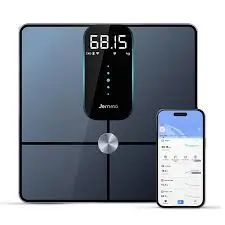
Looking for an easy way to track your wellness goals at home? The Jeroma Core+ Smart Body Fat Scale delivers 23 essential body measurements, helping you monitor key health metrics with confidence. With seamless app connectivity, a clear display, and user-friendly operation, it’s an excellent choice for individuals and families seeking smarter health tracking. Upgrade your daily routine with the Jeroma Core+ and gain valuable insights into your overall well-being.
FAQs
1. Are smart health monitoring devices accurate?
Most high-quality devices provide reliable readings for daily wellness tracking, although they should not replace professional medical equipment for diagnosis.
2. Which health metrics can smart monitoring devices track?
Common metrics include heart rate, blood oxygen levels, sleep quality, stress levels, activity tracking, blood pressure, and ECG readings.
3. Can health monitoring devices connect to smartphones?
Yes. Most modern devices synchronize with Android and iOS apps for data analysis and health tracking.
4. Are smart health monitoring devices suitable for seniors?
Yes. Many devices offer features such as heart health monitoring, emergency alerts, and easy-to-read displays that are beneficial for older adults.
5. How long does the battery usually last?
Battery life varies by model, but many quality devices offer between 5 and 14 days of usage on a single charge.
6. Are these devices waterproof?
Many health monitoring devices come with water-resistant ratings, making them suitable for workouts, rain, and certain water activities.
Key Takeaways
- Accuracy should be the top priority when choosing a smart health monitoring device.
- Real-time health alerts can help identify potential issues early.
- Long battery life improves convenience and continuous monitoring.
- Comprehensive tracking features provide better health insights.
- Secure data handling is essential for protecting personal health information.
- Choosing a device that matches your health goals ensures better value and user satisfaction.